What happens when you stop vaping can look different for each individual. Some people find quitting pretty easy and others experience more challenges. Knowing what’s coming makes the first stretch easier to ride out. When you stop, your body has to readjust to running without nicotine, and there’s a fairly predictable shape to how that goes. None of it is fun, but all of it passes, and most of it faster than you’d expect.
What do the first few days feel like?
This is the peak. Cravings come in waves, you might feel irritable, restless or foggy, and your sleep can go sideways for a bit. The first few days are often the hardest, since that’s when withdrawal symptoms are usually at their strongest. Get through this stretch and you’ve ridden out the toughest part.
What about the next couple of weeks?
For a lot of people, the physical side starts to ease. Cravings often get shorter and further apart, though they can still ambush you out of nowhere, usually tied to a trigger like a break or a stressful moment. Your appetite often picks up, and your hands go looking for something to do. This is the stretch where having a few coping moves ready makes all the difference.
And after a month?
By now, many people are finding their feet without a vape. What’s left is the habit: the situations and routines that used to come with a vape. Cravings become occasional rather than constant. Most people notice they’re sleeping better and breathing easier, and they’ve stopped planning the day around the next puff.
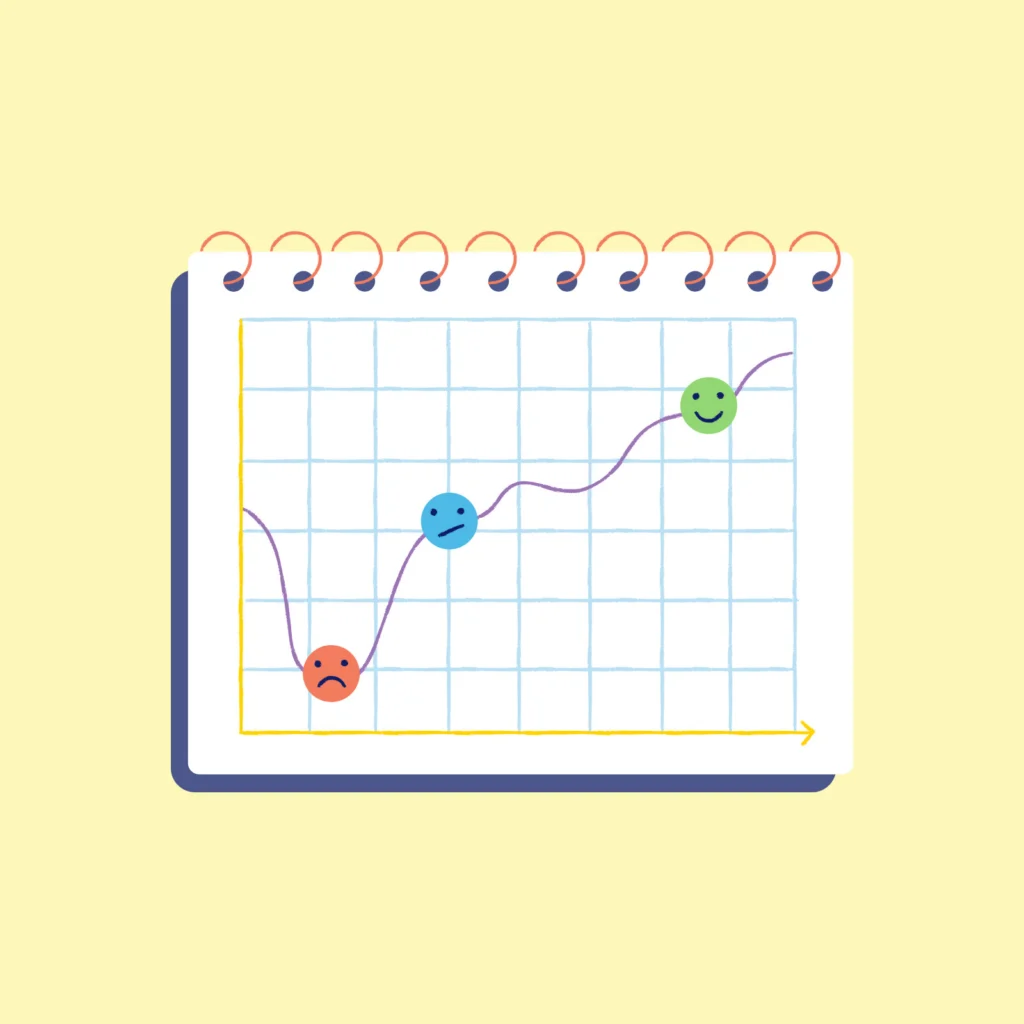
There’s no fixed timeline, and some people find it easier than others. What you can count on is that cravings usually lose their grip over time, even if the timeline looks a little different for everyone. It gets steadily easier after the worst of the first week, and the cravings lose their grip the longer you go.
Did you find this helpful?